Landscape

Landscape Architecture

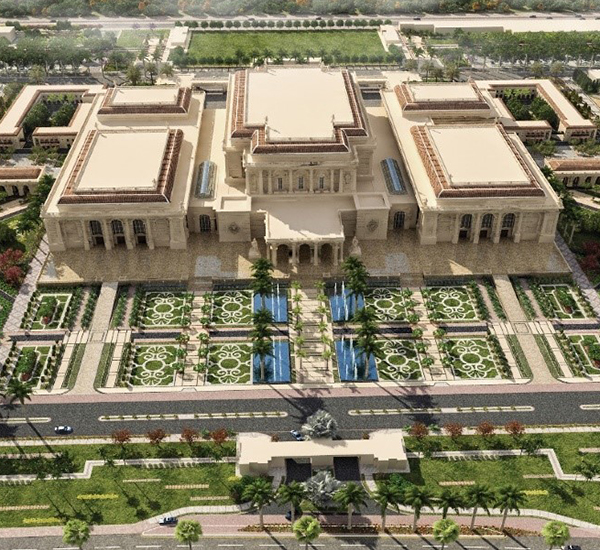
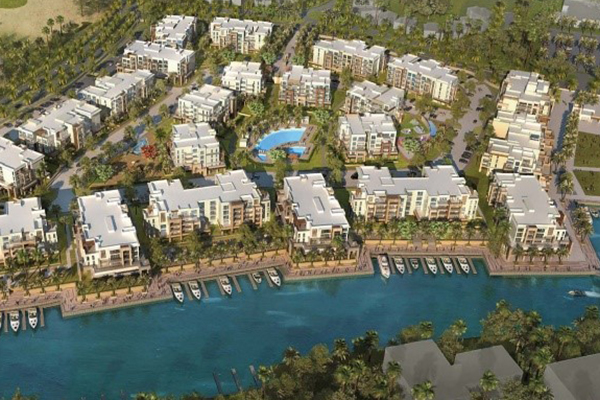
Landscape Architecture is a licensed profession that integrates elements of art, science, engineering, and environmental stewardship to create functional, sustainable, and aesthetically pleasing outdoor environments across all project scales, from small gardens to mega projects.

Public Realm & Place-Making

Focusing on the design of accessible, engaging, and high-quality spaces for public use and well-being.

Designing and detailing public and private parks, plazas, squares, and waterfront areas to encourage social interaction and community engagement.

Designing pedestrian-friendly sidewalks, furniture, lighting, and planting along streets and in civic spaces to enhance safety and foster social interaction.

Developing signage, public art, and distinctive design elements that strengthen community identity and facilitate navigation.

Developing networks of multi-use trails for walking and cycling that connect communities and provide recreational opportunities.

Horticultural & Material Selection

Expertise in selecting appropriate living and non-living materials for a site.

Softscape Design (Planting)

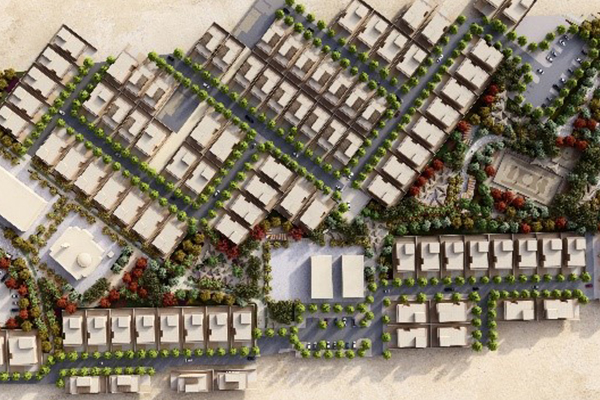
Selecting and specifying plant materials (trees, shrubs, and groundcovers) based on local climate, soil conditions, aesthetic objectives, and low-maintenance/native species requirements.
Hardscape Design

Specifying and designing all non-living outdoor elements, including paving materials (concrete, stone, or pavers), seating, retaining walls, fencing, and specialty structures (trellises and shade canopies).

Core Design Capabilities

1. Softscape (Horticulture & Ecology)

This emphasizes the living and dynamic elements of the landscape.

Planting Design

Understanding of developing plans that integrate native, adaptive, and drought-tolerant species (Xeriscaping), suitable for the local climate (particularly critical in arid regions such as the UAE and the Middle East).

Horticultural Science

Expertise in soil analysis, nutrient management, pest and disease control, and hydrozoning (grouping plants by water needs) to ensure long-term plant health with minimal resource use.

Ecological Function

Designing landscapes to promote biodiversity and create habitats, while leveraging plants for erosion control, air quality enhancement, and stormwater management (bioretention).

Aesthetics

Expertly applying color, texture, vertical layering, and seasonal variation to enhance visual interest and clearly define spatial character.

2. Hardscape (Structure & Engineering)

This focuses on the permanent, non-living elements that provide structure and functionality.

Structural Design

Detailing patios, decks, plazas, walkways, retaining walls, and outdoor kitchens, utilizing durable and locally sourced materials wherever feasible.

Material Selection

Specifying paving materials (pavers, stone, concrete, and permeable surfaces) that align with aesthetic objectives, anticipated traffic loads, and sustainability targets (e.g., utilizing light-colored, reflective materials to mitigate the Urban Heat Island effect).

Grading & Drainage

Designing topography and grading to ensure effective surface water runoff, control erosion, and channel water to infiltration areas or municipal drainage systems, often using advanced 3D modeling techniques.

Accessibility

Ensuring all hardscape elements comply with international accessibility standards (ADA/Universal Design) for slopes, materials, and circulation.

3. Lighting Design

Functional Lighting

Designing for safety and security along pathways, stairs, softscape and entrances.

Aesthetic & Accent Lighting

Utilizing uplighting, downlighting, and specialty fixtures to highlight architectural and water features, trees, and sculptures to create enhanced ambiance.

Energy Efficiency

Specifying low-voltage LED fixtures, using controllers and timers, and ensuring compliance with local light pollution regulations.

4. Wayfinding (Signage & Legibility)

Master Plan Development

Creating a hierarchy of informational, directional, and regulatory signage that is visually aligned with the site’s brand identity and environment.

Environmental Graphics

Integrating maps, plaques, and identification signs into the hardscape and site furniture for intuitive navigation.

Accessibility

Ensuring signage incorporates tactile elements, appropriate heights, and clear sight lines for all users.

5. Water Features Design

Conceptualization

Designing fountains, cascades, pools, and reflective ponds as focal points that enhance the atmosphere and acoustics of a space.

Technical Integration

Detailing the circulation, filtration, plumbing, and mechanical systems.

Water Conservation

Prioritizing closed-loop systems, reducing surface area exposure to minimize evaporation, and using alternative/recycled water sources where local regulations (like Estidama requirements) allow.

6. Site Furniture

Selection & Placement

Selecting durable, comfortable, and climate-appropriate site furnishings (benches, bins, bollards, bike racks) and positioning them strategically to promote rest and social interaction.

Custom Design

Ability to design unique, custom site furniture integrated into walls or planters to reinforce a project’s distinctive identity.

Durability & Vandalism Resistance

Specifying robust materials like powder-coated metals, concrete, or recycled plastic lumber that require low maintenance.

7. Estidama & Sustainability

This represents an overarching capability, particularly critical for projects in the UAE and the Middle East, showcasing regional expertise in sustainable and green building practices.
A highly proficient department operates under the principle of Integrated Design, ensuring all design elements are developed concurrently to create a cohesive, high-performance, and certified sustainable environment.

Estidama Pearl Rating System (PRS) Compliance

Expertise in meeting the specific requirements of the Pearl Rating System across design and construction phases. This directly influences the selection and documentation of the other six capabilities.

Read More

General Sustainability & Integrated Design

Employing life-cycle cost analysis for material selection, promoting the use of locally sourced and recycled materials, and integrating green infrastructure solutions such as bioswales and permeable paving for sustainable stormwater management.

Subsequent Phases

The Landscape Department also undertakes the following stages of work, in accordance with local and international codes and standards, utilizing specialized software and BIM technologies.
Upon finalization of the Concept Design and receipt of client approval, the Landscape Design process progresses into the following subsequent phases:

1. Schematic Design/Basis of Design Report (BODR)

ECG product at the end of this stage shall be in the form of:

2. Landscape Design Development

The landscape design shall be further refined to establish developed landscape site plans (in CAD format), encompassing the following:

3. Landscape Detailed Design

4. Tender Documents & BOQ