City of Arts and Culture: A New Stage for Egypt’s Cultural Legacy
How do you deliver a 127-acre cultural landmark that brings heritage and innovation together in just 3.5 years?
In Egypt’s New Administrative Capital, the City of Arts and Culture provides a compelling answer.
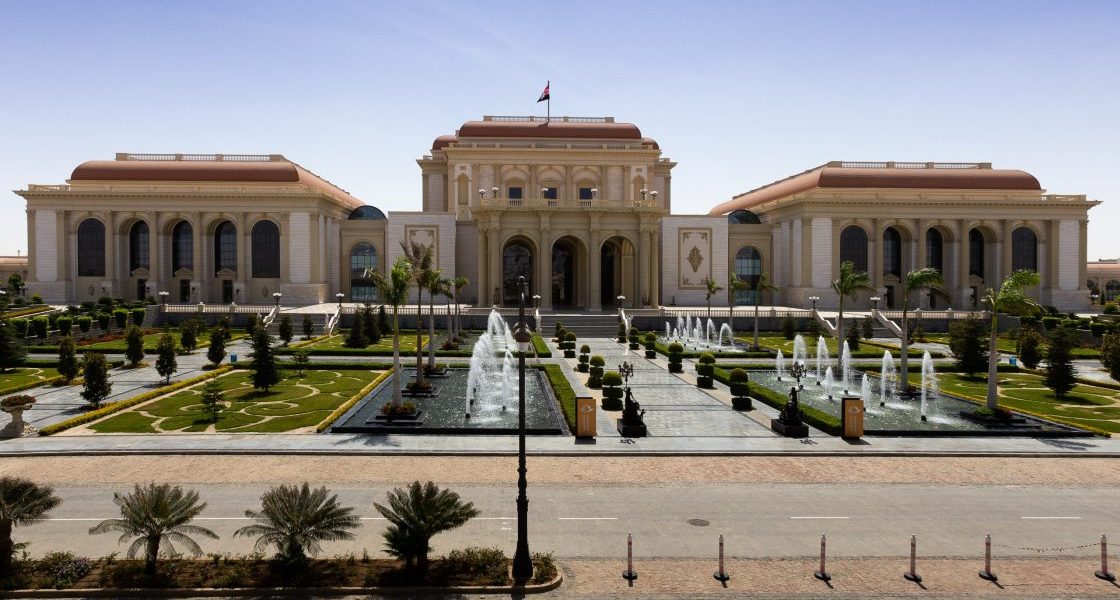
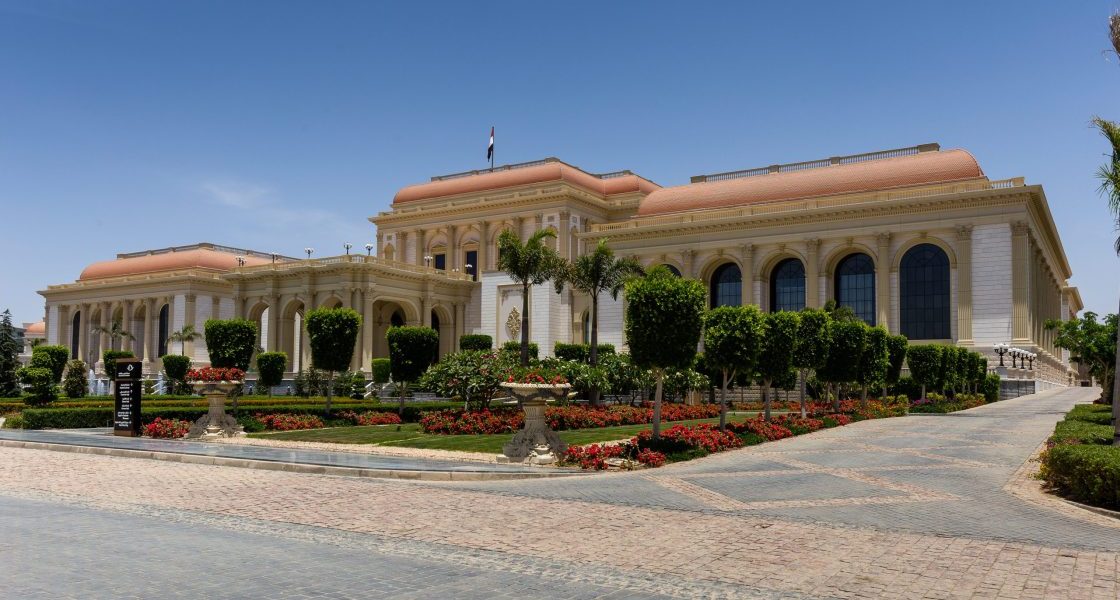
Spanning 127 acres, the development is one of the largest integrated cultural complexes in the Middle East, bringing together performance venues, museums, libraries, digital innovation and landscaped public spaces within a single destination.
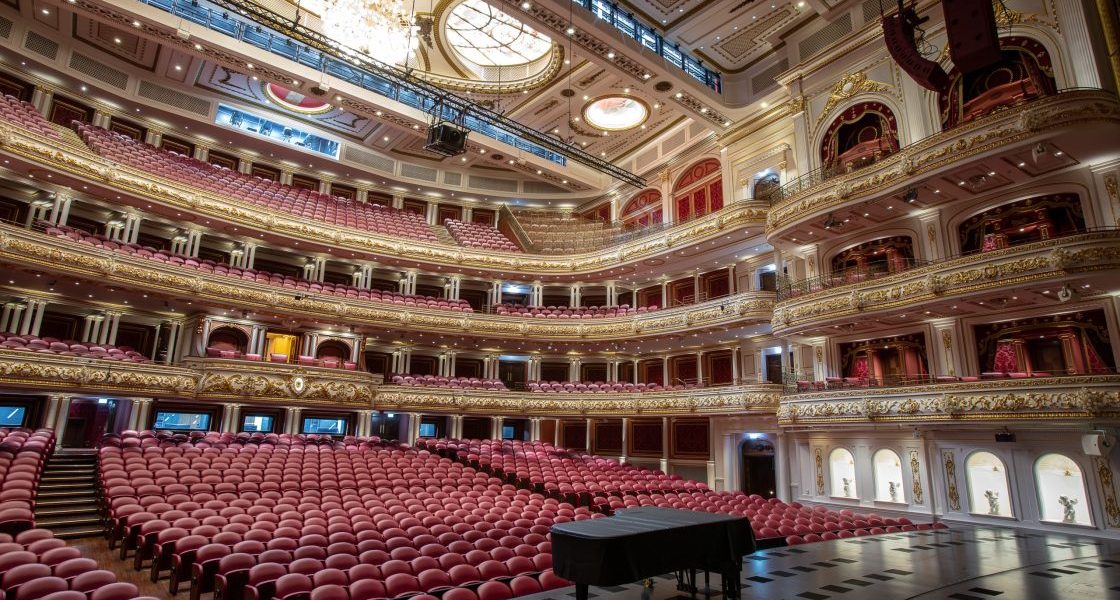
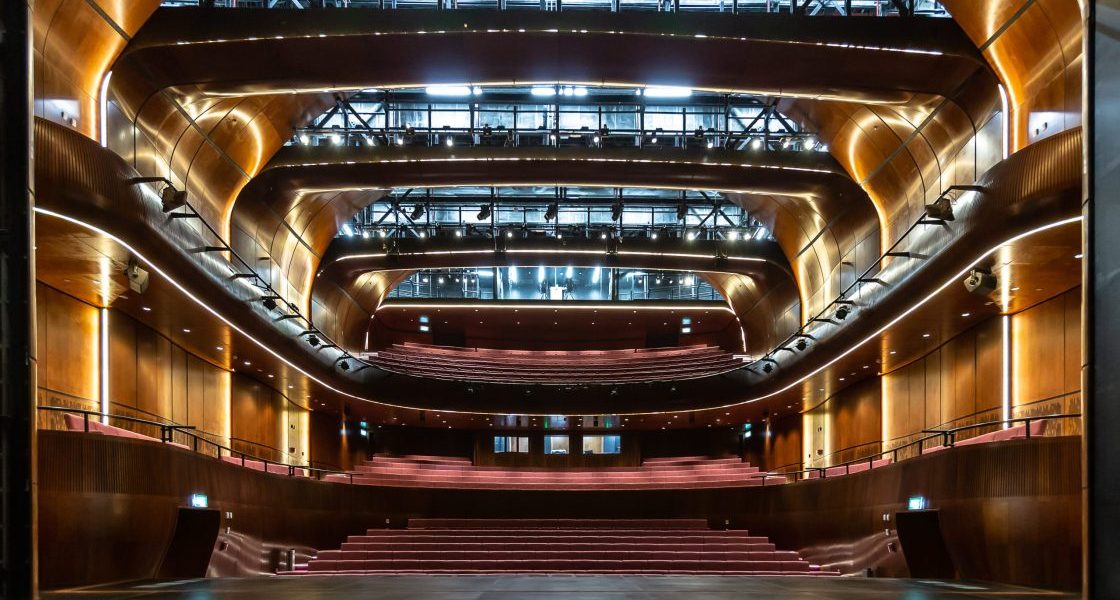
At its heart are a 2,155-seat Opera House and a 1,165-seat concert hall with adaptive acoustics, complemented by theaters and specialized performance facilities for opera, music, theater and the visual arts.
Creating a destination of this ambition required more than scale. It demanded the integration of architecture, engineering, technology and cultural identity within a unified vision.
A Dialogue Between Heritage and Innovation
Cultural infrastructure has a unique responsibility: preserving the past while creating space for new forms of expression.
The 8,500 m² Museum of Egyptian Capitals traces the evolution of Egypt’s capitals, while the 9,000 m² Capital Library safeguards valuable cultural resources, including rare works such as Description de l’Égypte.
Digital technologies expand how cultural knowledge can be preserved and experienced, connecting historical collections with contemporary tools for exploration and learning.
Beyond the buildings, approximately 25 acres of green spaces, alongside public areas and parking for around 4,000 vehicles, connect cultural venues, exhibitions and outdoor environments, creating an interconnected destination where architecture, landscape and public life come together.
The Engineering Behind the Experience
Performance spaces require highly specialized acoustic, structural and mechanical systems that must operate without compromising architecture or the audience experience.
Within the Opera House and concert hall, internal geometry, material selection and suspended acoustic clouds control sound reflection, absorption and reverberation, while HVAC distribution beneath audience seating balances environmental comfort with acoustic performance.
Behind the stage, fly towers, counterweight systems, hydraulic lifts, revolving stages and orchestra pit elevators add another layer of technical complexity. Integrating this infrastructure required close coordination across architecture, structures and building services, as well as significant underground spaces.
For ECG, the challenge was to ensure these sophisticated systems worked seamlessly within the overall architectural and operational vision.
An Expanding Vision, Delivered in 3.5 Years
Originally planned across 80 acres, the City of Arts and Culture expanded to 127 acres as the vision evolved to include additional museums, libraries, green spaces and cultural functions.
Accommodating this 47-acre expansion during execution required continuous adaptation of the masterplan and design while maintaining the delivery program. Completed within 3.5 years, the development followed a fast-track approach, with design and construction progressing concurrently through structured project leadership and multidisciplinary coordination.
International benchmarking also enriched the design. Visits to leading venues in Moscow and Dubai provided insights into acoustics, performance requirements and backstage operations, with relevant principles adapted to Egypt’s operational and cultural context.
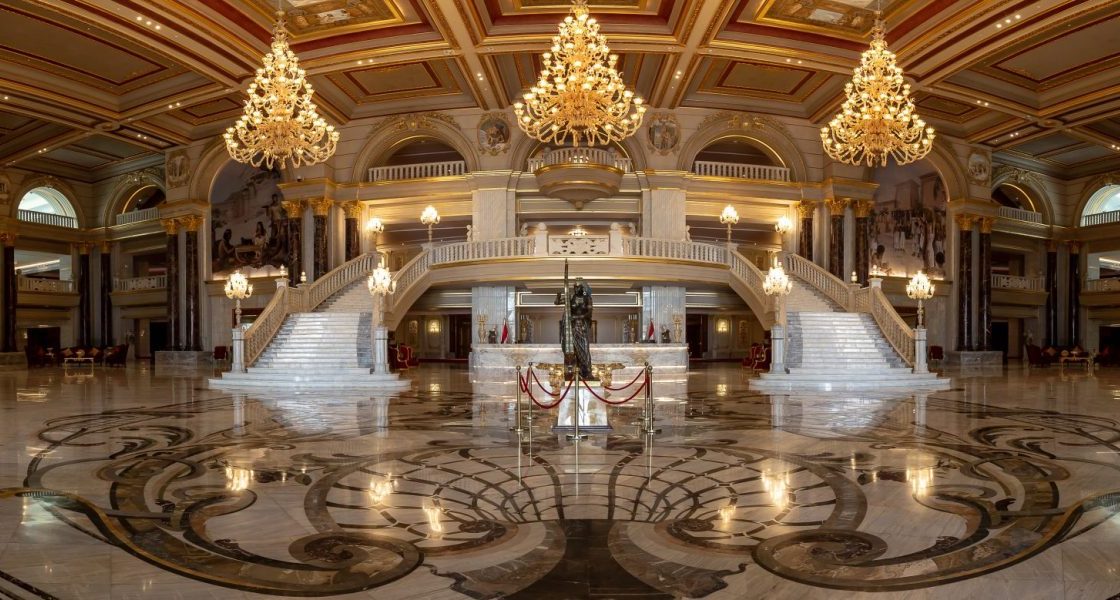
The Opera House’s architectural direction evolved toward a French classical aesthetic inspired by Cairo’s historic Opera House, combining international expertise with a distinct connection to Egypt’s cultural identity.
The City of Arts and Culture is more than a destination for preserving culture, it creates a place where culture can continue to be performed, experienced, explored and reinterpreted.